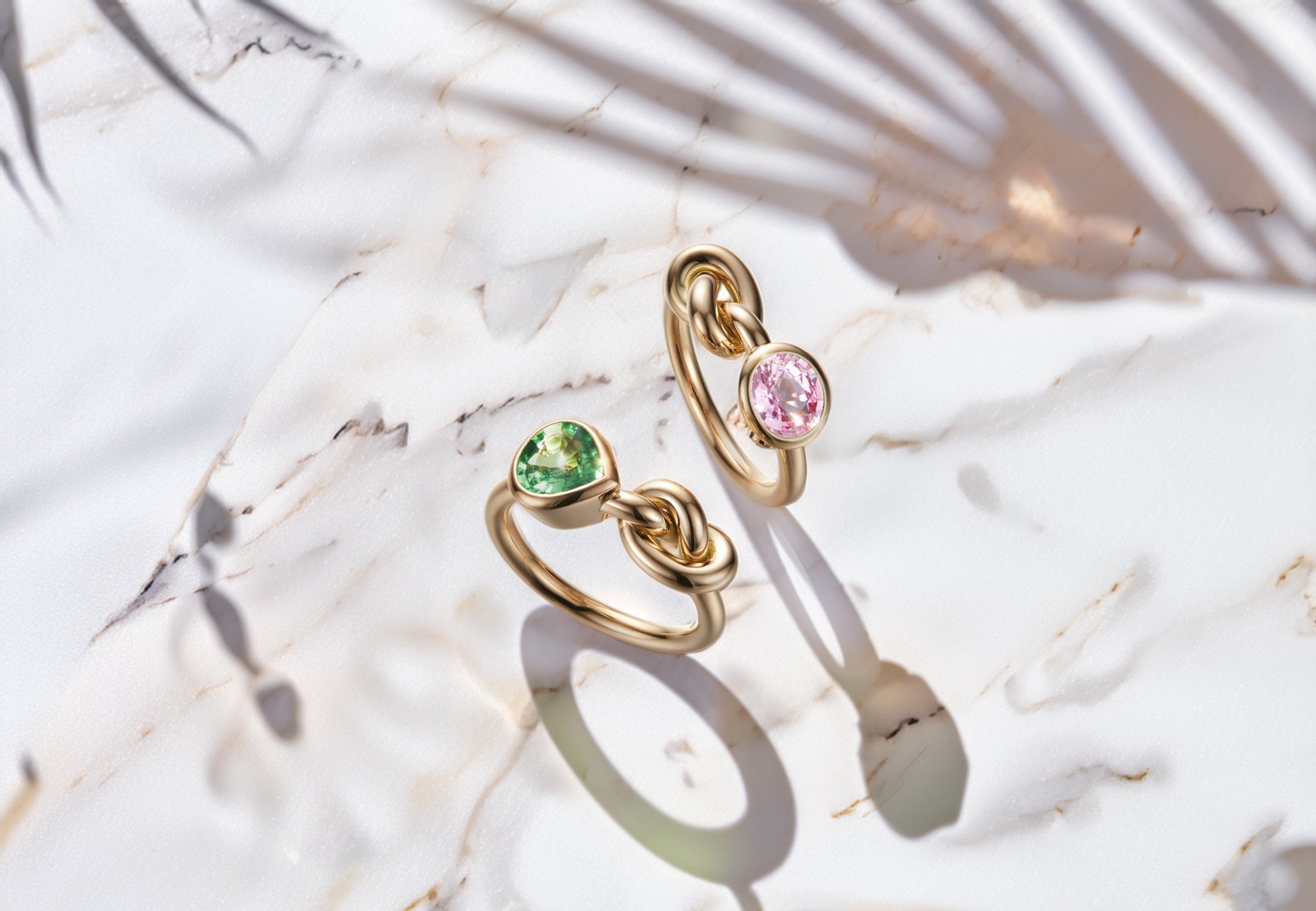
The most stable gemstone investments for collectors include diamonds, rubies, sapphires, and emeralds, which have consistently demonstrated value retention over decades. These precious stone investment options combine rarity, durability, and sustained market demand. Investment-grade gems require careful evaluation of quality factors, proper certification, and an understanding of market dynamics to build a successful collectible-gem portfolio.
What makes a gemstone a good investment for collectors?
A good gemstone investment combines five critical factors: rarity, durability, market demand, liquidity, and verified provenance. Investment-grade gems must score highly across all these criteria to maintain long-term value stability in the precious stone investment market.
Rarity forms the foundation of gemstone value. Natural gems with limited supply, particularly those from depleted or restricted mining locations, tend to appreciate over time. The 4 Cs (cut, colour, clarity, and carat weight) determine diamond investment quality, while coloured gemstones require evaluation of colour saturation, transparency, and origin.
Durability matters significantly for collectible gems. Stones rated 7 or higher on the Mohs hardness scale resist scratching and maintain their appearance through handling and storage. This physical resilience protects your gemstone investments from depreciation due to wear.
Market demand drives liquidity in the jewellery investment sector. Established gemstone markets with consistent buyer interest ensure you can sell when needed. Provenance documentation, including origin certificates and treatment disclosures, adds credibility and value to serious gemstone-collecting portfolios.
Which gemstones have historically held their value best?
Diamonds, rubies, sapphires, and emeralds have demonstrated the strongest value retention over the past several decades. These traditional precious gemstones consistently outperform other stones in the gemstone market due to established demand and a limited supply of high-quality material.
Diamond investment remains remarkably stable, particularly for stones above one carat with excellent cut, colour, and clarity grades. Natural diamonds have maintained value through economic fluctuations, with exceptional stones often appreciating significantly over time.
Ruby investment opportunities centre on Burmese and Mozambican stones with vivid red colour and minimal treatment. High-quality rubies have shown consistent price growth, especially larger stones exceeding two carats with good transparency.
Sapphire investment focuses on Kashmir, Padparadscha, and Ceylon varieties. Blue sapphires from Kashmir command premium prices, while rare Padparadscha sapphires in peachy-pink hues have demonstrated exceptional appreciation. Ceylon sapphires offer more accessible entry points with solid value retention.
Emerald investment requires careful selection due to inherent inclusions. Colombian emeralds with vivid green colour and good clarity have performed well historically, though they require more expertise to evaluate properly than other precious stone investment options.

How do you evaluate gemstone quality for investment purposes?
Investment-grade gemstone evaluation requires professional certification from recognised laboratories, detailed quality assessment using established grading standards, and comprehensive documentation of all treatments and enhancements. Proper appraisal processes ensure you acquire genuine collectible gems with verified characteristics.
Professional certification from laboratories like GIA, SSEF, or Gübelin provides essential documentation for serious gemstone investments. These certificates verify authenticity, disclose treatments, and grade quality factors according to international standards.
Quality indicators vary by gemstone type. For diamonds, focus on the 4 Cs, with particular attention to cut quality and fluorescence. Coloured stones require evaluation of colour saturation, tone, and hue distribution, alongside clarity and size considerations.
Treatment disclosure affects investment value significantly. Heat treatment in sapphires and rubies is generally accepted, while glass filling or lead-glass treatment substantially reduces value. Oil treatment in emeralds requires careful assessment of the degree and stability of the enhancement.
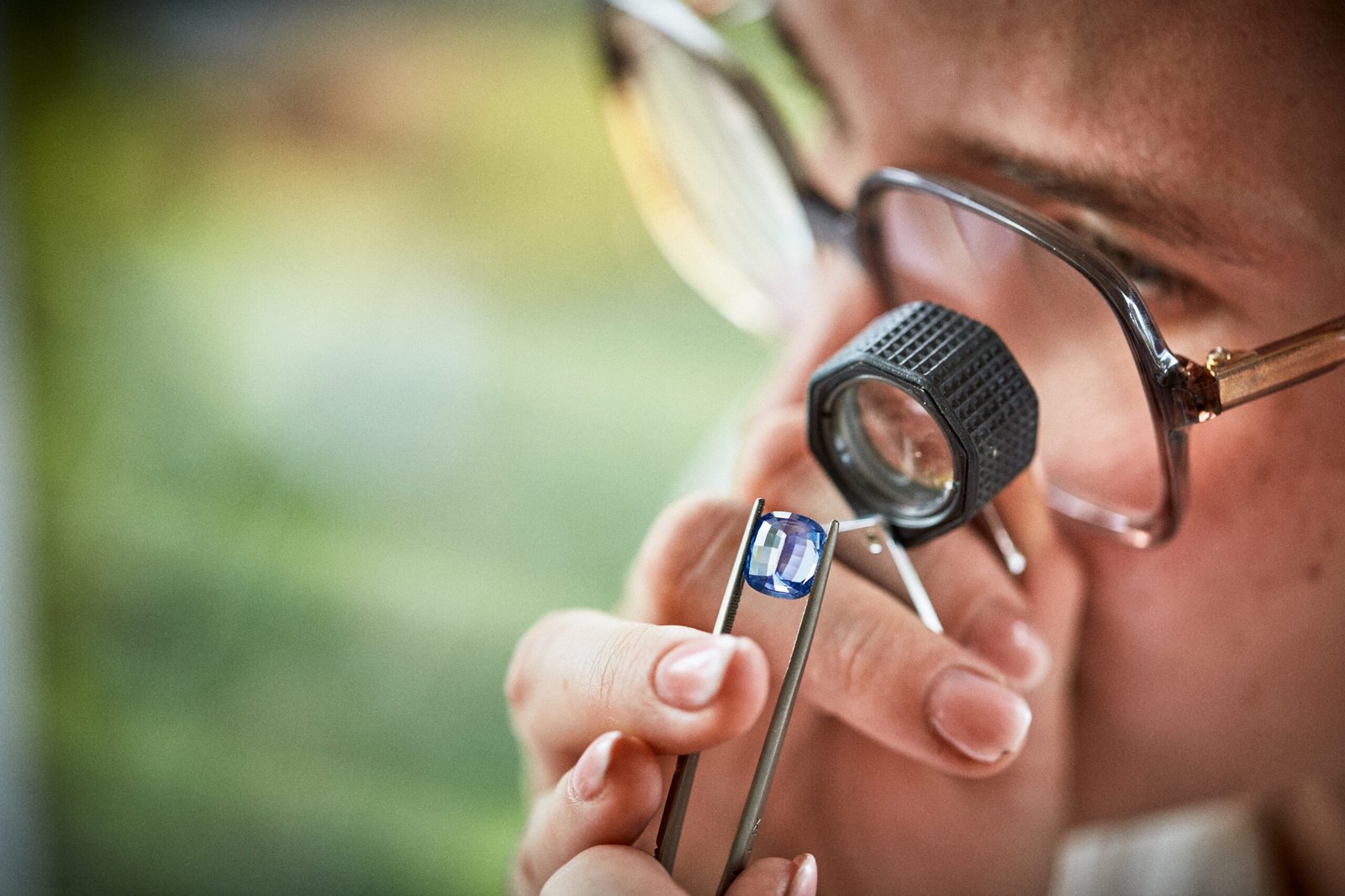
Professional appraisal processes should include microscopic examination, spectroscopic analysis when needed, and detailed photographic documentation. We recommend working with certified gemologists who understand the specific requirements of jewellery investment evaluation and can provide comprehensive reports for insurance and resale purposes.
What are the risks and considerations in gemstone investing?
Gemstone investing carries several significant risks, including market volatility, limited liquidity, authentication challenges, and substantial storage requirements. Unlike traditional investments, precious stone investment requires specialised knowledge, proper insurance coverage, and careful exit-strategy planning for successful portfolio management.
Market volatility affects even stable gemstones during economic uncertainty. Luxury goods markets can contract rapidly during downturns, potentially affecting your ability to sell at desired prices. Fashion trends also influence demand for specific gemstone types and cuts over time.
Liquidity challenges represent perhaps the greatest risk in gemstone collecting. Unlike stocks or bonds, selling collectible gems requires finding qualified buyers willing to pay fair market value. This process can take months or years, particularly for unusual or very high-value stones.
Authentication concerns have increased with improved synthetic gemstone production. Modern laboratory-created stones can be difficult to distinguish from natural gems without proper equipment. Regular re-certification may be necessary as detection methods improve and synthetic production advances.
Storage requirements include secure, climate-controlled environments with appropriate insurance coverage. Professional vault storage, regular appraisals, and comprehensive insurance policies add ongoing costs to gemstone investments. Exit-strategy planning should consider tax implications, market timing, and potential inheritance issues well before selling becomes necessary.